
This was written 11 years ago for Herb Lester and I’m reprinting it now, untouched, with the same (goofy 2013 Insta-filtered) photos. I guess if you hang around a place long enough you also become history.
Before urban renewal in Portland during the 1950s, Portland’s waterfront (its “first” downtown) looked vastly different than it does today. Where the west coast’s largest population of cast iron buildings once stood (with facades still surviving and stashed somewhere under the Hawthorne Bridge, rumor has it), parking lots and non-descript, smoked-glass commercial buildings dot the waterfront.
Yet, plenty of Portland’s older downtown buildings have survived thanks to Portland’s preservationists and historians who came of age in the 1970s.
To see preservation in action and many of Portland’s older, finer buildings, a good place to roam is mid-downtown (short blocks from the waterfront) between Sixth and Third down to the waterfront.
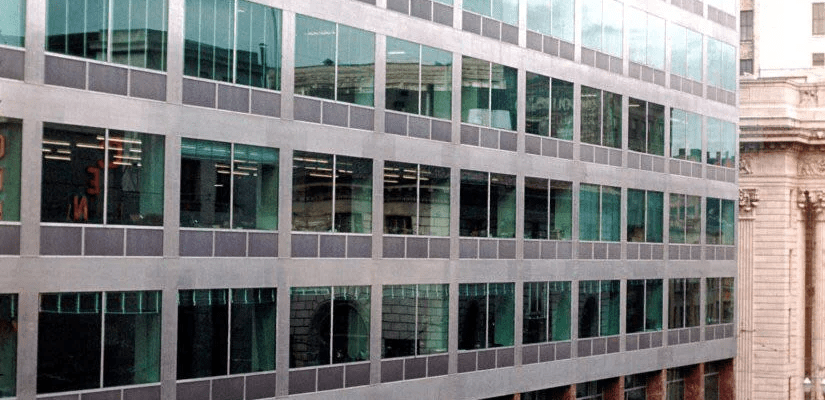
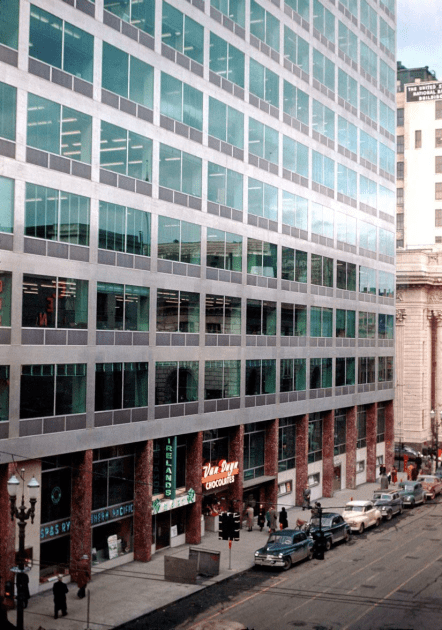
For our quick tour, let’s start at SW Sixth and Washington and the Commonwealth building, Portland’s most famous modern structure. Formerly the Equitable, it was built in the late 1940s and designed by Pietro Belluschi. It pre-dates Manhattan’s Lever House as the first “glass box” built and was the first building to be sheathed in aluminum. Technology aside, its modernism really stands out in a sea of brick and stone.
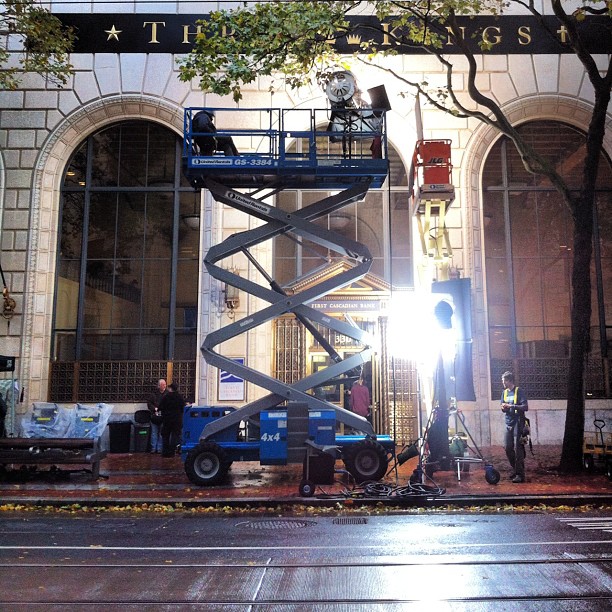
No tour of downtown is complete without walking by an A.E. Doyle-designed building, since it’s impossible to do so–Doyle designed many of Portland’s commercial buildings through the 1920s and his presence is everywhere. Looking north on SW Sixth is Doyle’s Bank of California building (now the Three Kings). Built in 1924, this two-story “Italianate” style building was Portland’s first library and now sits empty, according to the lease sign on the window. Recent uses included shooting (blank gunfire!) in the lobby for NBC’s Grimm.
After peeping through the street-level windows of Three Kings and imagining uses for the empty space, walk south on Sixth (there are many one-way and transit-only streets, so remember, this is a walking tour only) and hook a right on Washington and a right on SW Fifth. There you’ll notice the Yeon Building (522 SW Fifth Ave.), built in 1911. A prime example of one of many downtown’s terra cotta buildings (also used by architect Doyle on many of his buildings) it was once illuminated nightly from its cornices and was Portland’s tallest building for just a mere two years.
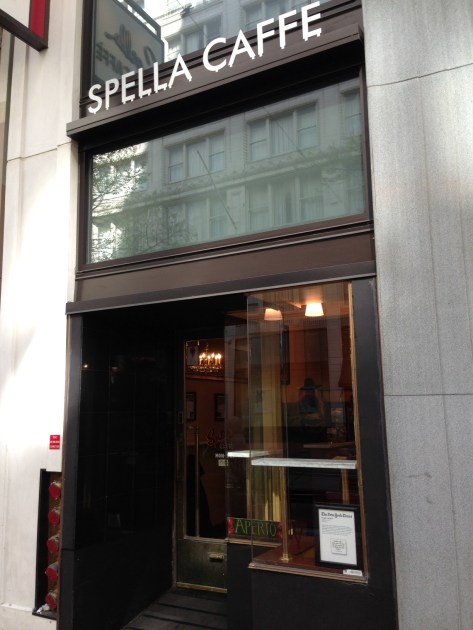
Directly next door to the Yeon at 520 SW Fifth is Spella Caffe. Snuggled in a tight spot on the street (Spella started out as a food cart and moved to its “brick and mortar” spot a few years back), Spella is lovingly roasted by master roaster and owner Andrea Spella. He and his staff hand-crank espresso drinks and sell beans by the pound. The downside – it’s closed on weekends. The upside? Best beans in town. (2024 editor’s note: Still the best.)
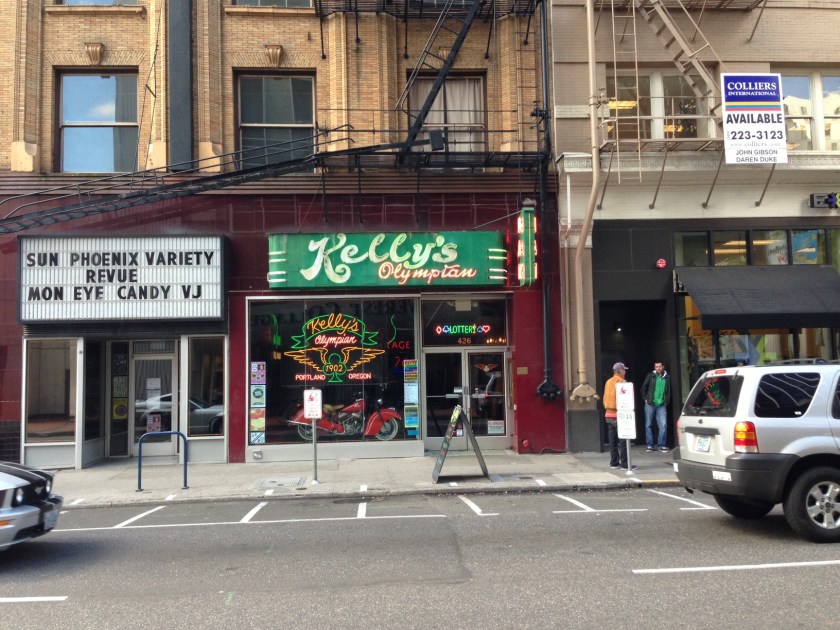
After you sip your coffee, head north on Fifth and hook a right on Washington where one of Portland’s rare commercial deco-esque buildings sits (The Bullier). It also houses Kelly’s Olympian, one of Portland’s oldest and continuously operating bars for 102 years. It’s currently known for its impressive collection of suspended motorcycles from the ceilings and live music. Stop in and grab a drink or beer and marvel at the motorcycles dangling from above.
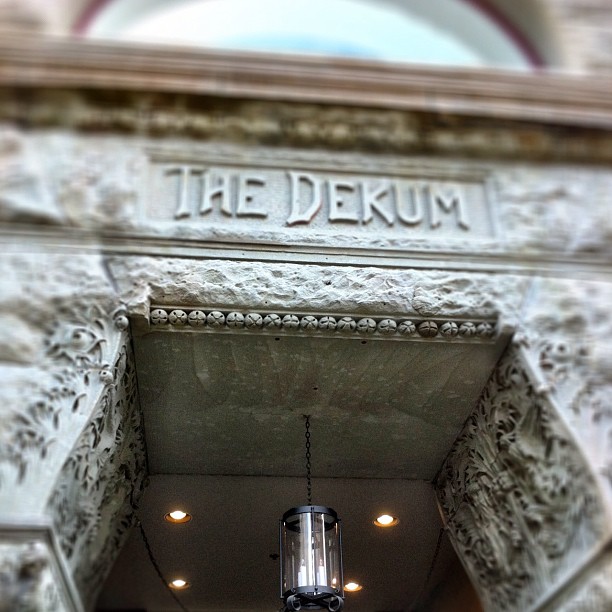
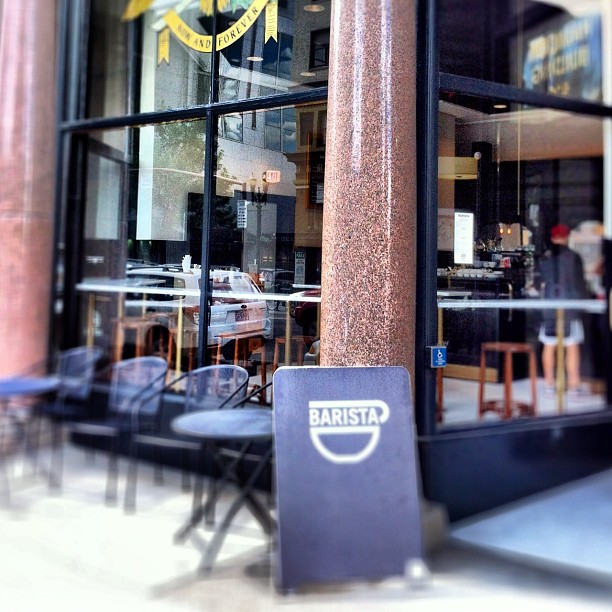
From there, continue to walk east on Washington and turn right on Third. There, you will find two handsome buildings sitting next to each other: the Dekum and the Hamilton. The Dekum, built in 1892 is an example of Romanesque Revival architecture – with tall arches at the base and stone carvings up to the top floor. It’s a marvel, and its sign is amazing. Next door, The Hamilton, couldn’t be more different. Where the Dekum shows off arches and masonry work, the Hamilton is more low-key but has a simple elegance to it. Completed just a year later than the Dekum, the six-story Hamilton has granite-clad cast iron entry columns and cable mouldings. It also houses Barista. If you didn’t get your fix at Spella, stop in Billy Wilson’s cafe to sample some of Portland’s small roasters and other west Coast roasters. Lovingly brewed in French presses, poured over or pulled, each cup is pure magic. And on days when the space is bathed in sunlight, you won’t want to leave.
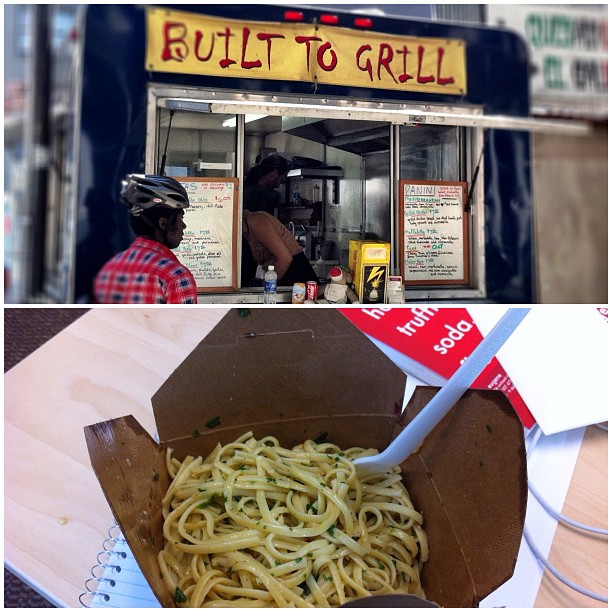
At this point, you’ll want to grab a bite to eat, so head north on SW Third to one of Portland’s many food cart pods and go directly to Built to Grill – which is a block from the Willamette. They specialize in grilled sandwiches (muffalettas!) but also offer delicious, daily pasta specials. For six bucks, enjoy fresh gnocchi and pesto or simple noodles and garlic.
From the food cart pod you can get an even better view of the Dekum across the street and see how it interacts with the street and surrounding buildings. You can also imagine what was there just a mere 50 years ago.
The parking lots that have recent new life hosting food cart pods obviously looked dramatically different before the wrecking ball came in the 50s, and the buildings that once existed are long gone. Yet the Dekum survived and it seems to say, “I not only survived, I still dominate.”
Discover more from Lost Oregon
Subscribe to get the latest posts sent to your email.
 Lost Oregon
Just stumbling across your blog as someone else fascinated by Portland’s fantastic architecture – and I love it! Thank you for putting in the time to doccument these lovely buildings and give them the appreciation they deserve. I spend many o nights admiring The Dekum and The Bullier from bus windows.
I’ve been awe struck by the building that houses Jake’s Grill on 10th, do you know much about it?